

Thousands of cars in one place to make your choice easier. Find the perfect match for your budget and style.
Blog>Lexus: Where Luxury, Technology, and Reliability Meet
In the automotive world, some brands do more than simply manufacture vehicles; they represent a lifestyle, a philosophy, and a unique experience.

Writer
Last update: 15 hours ago
Sabina
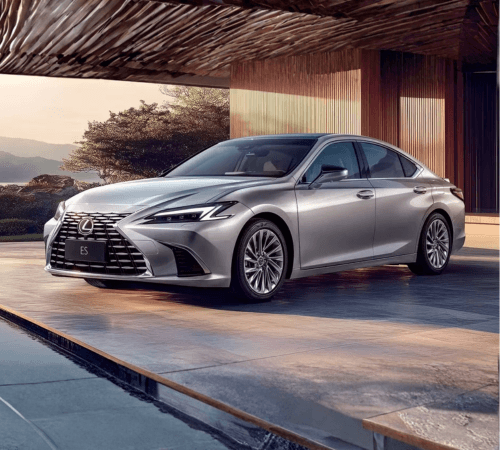
In the automotive world, some brands do more than simply manufacture vehicles; they represent a lifestyle, a philosophy, and a unique experience. Lexus is one of those brands. Combining Japanese engineering excellence with the premium automobile segment, Lexus has become one of the world's most respected luxury car manufacturers thanks to its comfort, quality, reliability, and innovative technologies.
The Birth of Lexus
The story of Lexus began in the 1980s. Toyota, the Japanese automotive giant, set out to create a new brand capable of competing with established European luxury automakers in the American and global premium markets. As a result of this ambitious project, the first Lexus model, the LS 400, was introduced in 1989.
The LS 400 attracted attention not only for its performance but also for its exceptional quietness, superior build quality, and competitive pricing compared to its rivals. It quickly established Lexus as a serious contender in the luxury automotive segment.
Design Philosophy
Lexus designs have evolved significantly over the years. While earlier models featured a more conservative and elegant appearance, modern Lexus vehicles are known for their bold styling, sharp lines, and dynamic presence.
One of the brand's most recognizable design elements is the "Spindle Grille," which has become a signature feature of Lexus vehicles. This distinctive front grille allows Lexus models to be easily recognized even from a distance.
In addition to aesthetics, Lexus places great importance on aerodynamic efficiency, helping improve both vehicle performance and fuel economy.
Comfort and Interior Quality
When people think of Lexus, one of the first things that comes to mind is comfort. Lexus engineers strive to create one of the quietest and most relaxing driving environments possible.
The interiors are crafted using premium materials such as fine leather, wood, and metal accents. Ergonomically designed seats, excellent sound insulation, and advanced suspension systems provide outstanding comfort even during long journeys.
Flagship models often include premium audio systems, massage seats, and advanced climate-control technologies that elevate the driving experience to a new level.
Leadership in Hybrid Technology
One of Lexus's greatest strengths is its expertise in hybrid technology. The brand is widely recognized as one of the pioneers in combining environmental responsibility with driving performance.
Lexus hybrid systems integrate electric motors with gasoline engines to deliver lower fuel consumption and reduced emissions. In urban driving conditions, electric assistance significantly improves fuel efficiency.
For many consumers, Lexus hybrid models serve as an ideal bridge between traditional combustion-engine vehicles and fully electric cars.
High Standards of Safety
Safety has always been a key priority for Lexus. The company continuously develops advanced driver-assistance technologies designed to help drivers identify and avoid potential hazards.
Features such as Lane Keeping Assist, Adaptive Cruise Control, Pre-Collision Systems, Blind Spot Monitoring, and advanced camera technologies are available on many Lexus models.
These systems not only improve safety but also reduce driver fatigue and stress, making everyday driving more comfortable and secure.
Performance and F Sport Models
Although Lexus is often associated with comfort and luxury, the brand also has a strong performance-oriented side. Its F and F Sport models are designed for enthusiasts who seek a more dynamic driving experience.
Powerful engines, sport-tuned suspension systems, and aggressive styling elements give these vehicles an exciting character while maintaining Lexus's renowned refinement and reliability.
These performance models demonstrate that Lexus is capable of delivering both luxury and excitement.
Preparing for an Electric Future
Like the rest of the automotive industry, Lexus is actively embracing the transition to electric mobility. The company has significantly increased its investment in electric vehicle development and plans to introduce more fully electric models in the coming years.
Advanced battery technologies, sophisticated software systems, and sustainable manufacturing practices are expected to play central roles in Lexus's future strategy.
Through these efforts, Lexus aims to maintain its premium standards while contributing to a more sustainable automotive future.
Conclusion
Lexus stands out as a unique brand that successfully combines Japanese engineering excellence with luxury automotive craftsmanship. Its comfortable driving experience, premium interior quality, advanced hybrid technologies, and comprehensive safety features continue to attract millions of customers worldwide.
For buyers seeking not only performance but also quality, durability, technology, and long-term satisfaction, Lexus remains one of the strongest options in the premium automotive market. As the transition toward electric mobility accelerates, the brand's influence and importance in the global automotive industry are likely to grow even further.
Highly curated content, case studies, Riverside updates, and more.
Share this post:
In the automotive world, some brands do more than simply manufacture vehicles; they represent a lifestyle, a philosophy, and a unique experience.
15 hours ago

With the rapid development of technology, the automotive industry has entered a major transformation process.
9 days ago

The automotive industry is going through a major transformation in 2026. Electric vehicle investments are accelerating, autonomous driving technologies are improving, and competition among manufacturers is becoming more intense every day.
16 days ago
View Detail
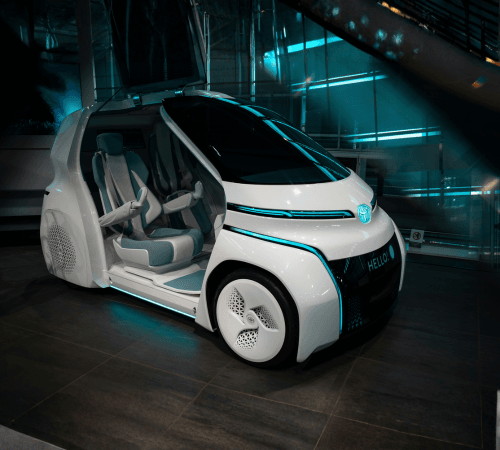
In recent years, the transformation in the automotive world has become one of the most significant changes in over a century of industry history. The rapid shift from internal combustion engines to electric vehicles is not just a technological evolution—it’s also reshaping our lifestyle.
38 days ago
View Detail